
Circular Farming at G-Agri
At G-Agri, we are deeply committed to sustainability and environmental stewardship. One of the core principles guiding our farm’s operations is the practice of circular farming. This method allows us to create a no-waste farm, where every part of the production cycle is interconnected and contributes to the overall efficiency and health of the ecosystem.
Circular farming is all about recycling resources, minimizing waste, and creating a closed-loop system. It mirrors nature’s own cycles, where nothing is wasted, and every output becomes a valuable input for the next process. At G-Agri, we have adopted this approach across all areas of our farm to ensure that our environmental footprint is minimized while maximizing productivity and quality.
How Circular Farming Works at G-Agri
1. Crop Production and Animal Feed
We grow a variety of crops, including winter and summer crops, that serve as feed for our livestock, including sheep, Alentejo Black Pigs, and ostriches. These crops are not only critical for sustaining our animals, but they also contribute to a closed-loop system, where the by-products from crop growth, such as straw and plant residues, are reused in other processes, such as mulching or composting.
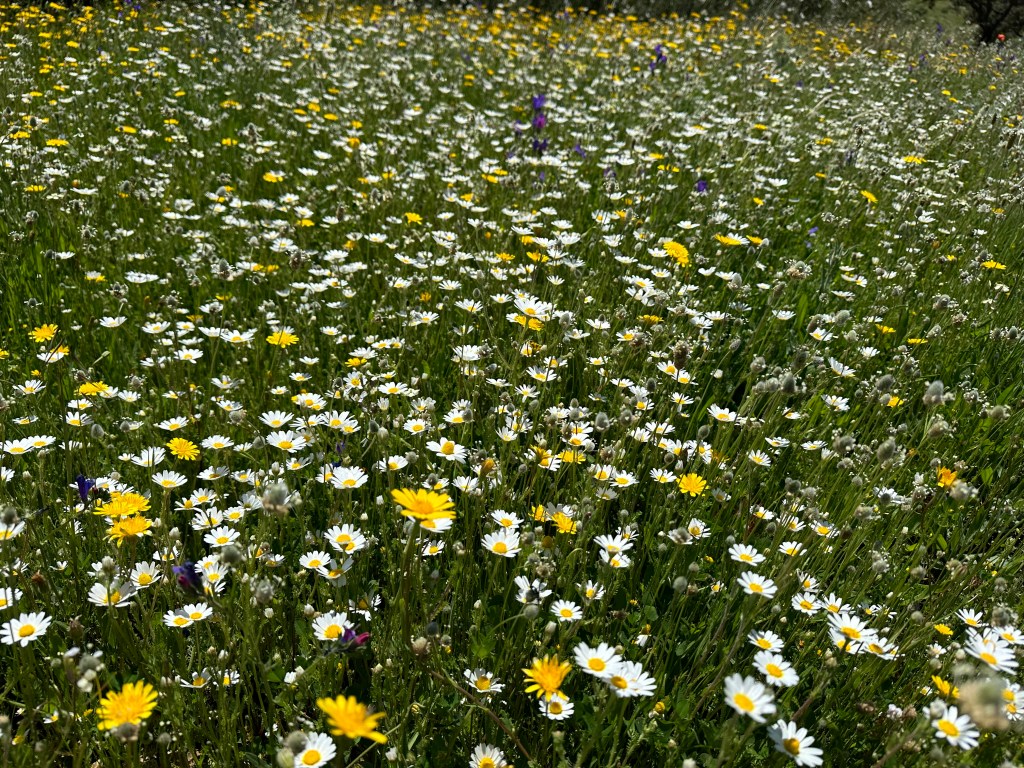
- Crop Pollination: Our farm also has bees that help pollinate crops and other plants, ensuring strong yields and biodiversity across the farm. The bees play a vital role in maintaining a healthy ecosystem, and in return, they benefit from the rich variety of flowering plants grown on our farm.
2. Livestock and Meat Production
Our free-range, organically raised animals are an essential part of the circular system. After feeding on farm-grown crops, the livestock are raised with the highest ethical standards and eventually processed into premium-quality meat products such as lamb, pork, and ostrich meat.
- By-Product Utilization: During meat processing, we ensure that all by-products, including bones, fat, and offal, are utilized in some way. This might include creating natural animal feed supplements or producing value-added products like bone broth or cured meats.
3. Natural Fertilizers from Animal Waste
One of the most critical aspects of our circular farming system is the use of animal waste as a resource, rather than treating it as waste. The manure and dung from our livestock are rich in nutrients, which we use to create natural fertilizers for our crops.
- Pig Slurry and Earthworm Composting: A particularly innovative process we use involves combining pig slurry with an earthworm mix to produce nutrient-rich, natural fertilizer. The earthworms help break down the slurry into compost that is rich in organic matter and perfect for enhancing soil fertility.
This practice not only reduces the need for synthetic fertilizers, which can harm the environment, but also ensures that every part of the animal’s life cycle is contributing to the health of the farm ecosystem.
4. Soil Health and Biodiversity
At G-Agri, we understand that healthy soil is the foundation of a productive and sustainable farm. Our circular farming practices help maintain and even improve soil health year after year. By using composted animal waste as fertilizer, we naturally enrich the soil, encouraging microbial activity and increasing the soil’s organic matter.
- Crop Rotation and Cover Crops: We also practice crop rotation and plant cover crops to further support soil health. These methods prevent soil depletion, reduce erosion, and contribute to greater biodiversity on the farm.
5. No-Waste Philosophy
Our ultimate goal is to operate a zero-waste farm, where nothing is discarded and every element of our production process is repurposed or reused. Some key ways we achieve this include:
- Utilizing Crop Residue: After harvesting crops, any leftover plant material is used as mulch or compost to replenish the soil.
- Repurposing By-Products: What might be considered waste on other farms—such as bones, animal fats, or manure—becomes a valuable resource at G-Agri.
- Circular Energy Use: As we work towards becoming fully off-grid, we plan to implement renewable energy systems like solar panels, which will power our farm operations and contribute to reducing wasteful energy consumption.
Why Circular Farming Matters
The importance of circular farming goes beyond reducing waste; it’s about creating a sustainable, regenerative systemthat gives back to the land rather than depleting it. By using natural resources responsibly and ensuring that every output serves a purpose, we are building a model for the future of farming.
At G-Agri, this approach ensures that we are not only producing premium-quality, organic products but also protecting and nurturing the environment for generations to come. The no-waste philosophy that drives our farm reflects our deep commitment to sustainability, innovation, and responsible stewardship of the land.
The Benefits of Circular Farming at G-Agri
- Waste Reduction: By ensuring that all by-products are reused or repurposed, we dramatically reduce the amount of waste generated on the farm.
- Cost Efficiency: Circular farming reduces the need for external inputs, such as synthetic fertilizers or purchased animal feed, making our operations more efficient and cost-effective.
- Soil Health and Biodiversity: The natural fertilizers we produce and the rotation of crops improve soil fertility and encourage greater biodiversity, leading to stronger crop yields and healthier livestock.
- Environmental Protection: By minimizing waste and reducing the use of harmful chemicals, G-Agri is actively protecting the environment, ensuring that our farm remains an eco-friendly, sustainable operation.
At G-Agri, circular farming is more than just a method—it’s a philosophy that guides every aspect of our operations. From the crops we grow to the animals we raise and the way we manage resources, we are constantly striving to create a no-waste, regenerative farming system that benefits the land, the community, and our customers.
 G-Agri