
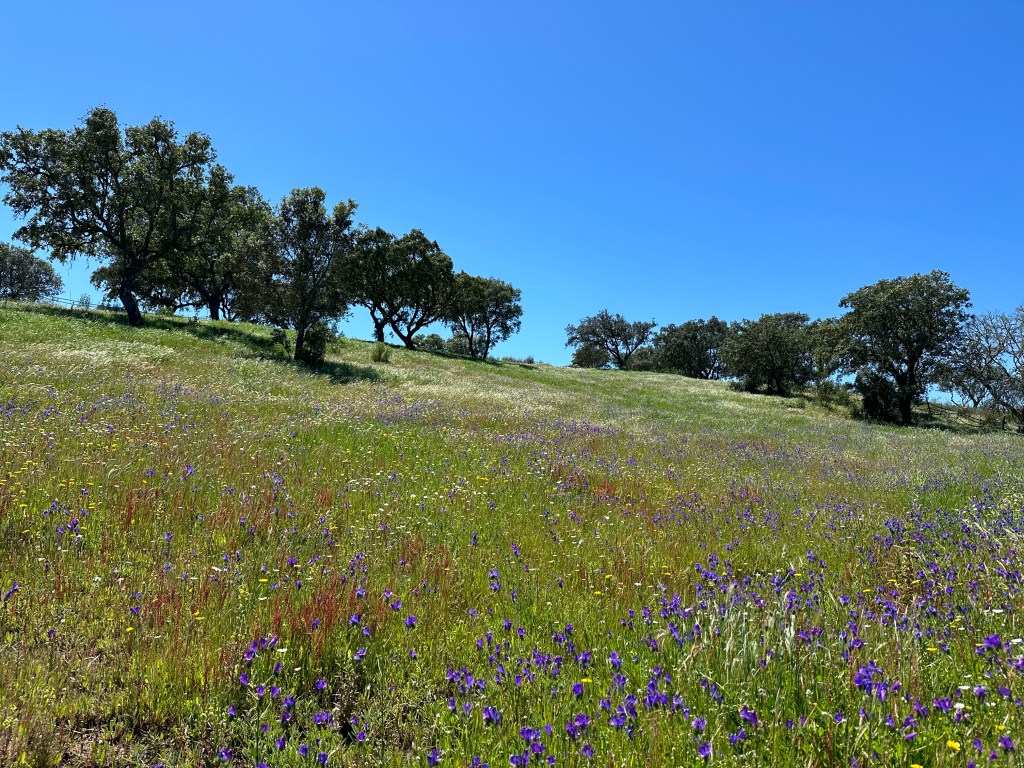
At G-Agri, sustainability is not just a buzzword; it’s the heart and soul of everything we do. Our farm, nestled in the beautiful Alentejo region of Portugal, operates with one clear mission: to produce premium-quality, organic products while protecting and regenerating the environment. In this post, we’ll take a closer look at some of the sustainable farming techniques we use to ensure that our farm contributes positively to the land, our animals, and the local community.
Circular Farming: Closing the Loop
One of the key principles driving our operations at G-Agri is circular farming. This system is built on the idea of creating a closed-loop where nothing goes to waste. Every process on the farm is interconnected, and each by-product from one area is repurposed to support another.
- Crops to Feed Our Animals: We grow a variety of crops, including cereals and vegetables, that serve as a nutritious and organic food source for our sheep, Alentejo Black Pigs, and ostriches. By producing our own animal feed, we eliminate the need for external inputs and ensure our animals receive the highest quality, chemical-free diet.
- Animal By-products as Natural Fertilizer: After our livestock are fed, the cycle continues. Animal waste, particularly from our pigs, is combined with an earthworm mix to create rich, organic fertilizer. This nutrient-dense compost is used to fertilize our crops, improving soil health and promoting sustainable plant growth.
- No-Waste Farming: We believe that every part of the farming process has value. Whether it’s repurposing crop residues as mulch or using animal by-products for fertilizers, we ensure that nothing on the farm is discarded. This “no-waste” philosophy is what makes G-Agri a model for sustainable farming.
Water Conservation: Making Every Drop Count
Water is a precious resource, especially in the dry Alentejo region. That’s why we’ve integrated innovative water-saving techniques across our farm to ensure that we use water responsibly and efficiently.
- Rainwater Harvesting: We’ve installed rainwater collection systems to capture and store rainwater, which is used to irrigate crops and supply water to our animals during the dry months. This reduces our reliance on external water sources and helps conserve groundwater.
- Greywater Recycling: As part of our long-term plan, we are exploring ways to recycle greywater (wastewater from washing and processing) for non-potable uses on the farm, such as irrigation.
Ethical Animal Husbandry
At G-Agri, we take great pride in the way we raise our livestock. Our free-range animals are treated with care and respect, ensuring their well-being while allowing them to live naturally.
- Free-Range Practices: Our sheep, pigs, and ostriches are free to roam in open pastures, where they have access to fresh air, natural sunlight, and organic feed. This approach not only improves the health and happiness of the animals but also leads to better-quality meat and other products.
- High Animal Welfare Standards: We adhere to strict ethical standards when it comes to the care of our animals. From ensuring they have access to clean water and healthy food to regular health checks, we go above and beyond to provide a safe and nurturing environment.
Bee-Friendly Farming: Supporting Pollinators
Bees are critical to the health of our ecosystem, and at G-Agri, we’ve integrated bee-friendly practices into our farming techniques. By maintaining natural habitats and planting pollinator-friendly crops, we’ve created an environment where bees can thrive.
- Bees for Pollination: Our bees contribute to the pollination of our crops and olive trees, enhancing yields and biodiversity. By providing a healthy habitat for bees, we not only improve crop production but also play a role in supporting local biodiversity and protecting these essential pollinators.
Soil Health: Building a Foundation for Sustainability
Healthy soil is the foundation of any sustainable farm. That’s why at G-Agri, we focus on soil regeneration through organic farming practices that enrich the land rather than deplete it.
- Organic Fertilizers: We use only natural fertilizers, such as compost made from animal manure and plant residues, to feed our soil. This organic approach improves soil structure, boosts microbial activity, and helps retain moisture, making our land more resilient to drought and erosion.
- Crop Rotation and Cover Cropping: To maintain soil fertility, we practice crop rotation and plant cover cropsduring off-seasons. These techniques prevent nutrient depletion, reduce the need for chemical inputs, and protect the soil from erosion.
Renewable Energy: Moving Off-Grid
As part of our long-term sustainability plan, G-Agri is working towards becoming a fully off-grid farm, powered by renewable energy.
- Solar Power: We are in the process of installing solar panels to provide clean, renewable energy for the farm’s operations, including water pumps, processing facilities, and farm buildings. This will not only reduce our carbon footprint but also make our farm more self-sufficient.
- Energy Efficiency: In addition to renewable energy, we are constantly looking for ways to improve energy efficiency across the farm, from using energy-efficient equipment to insulating farm buildings.
Looking Ahead: Our Commitment to Sustainable Farming
At G-Agri, we believe that sustainable farming is the future of agriculture. By integrating circular farming techniques, water conservation practices, ethical animal husbandry, and renewable energy, we are building a farm that not only produces high-quality organic products but also regenerates the land and supports the local community.
Our goal is to continue pushing the boundaries of what sustainable farming can achieve, creating a model that other farms can follow and contributing to a more sustainable and resilient agricultural industry. We invite you to join us on this journey and experience the difference that sustainable farming can make.
 G-Agri
Leave a comment